


Of all destinations where one can explore Australian outback, Kati Thanda-Lake Eyre National Park can be counted among the most outstanding options. The following article provides detailed information about this wonderful natural park and explains how to visit and experience it.
If you like exploring outback lands, national park Kati Thanda-Lake Eyre will offer much to discover in terms of natural marvels and unique features. It is not without reason that the park attracts hundreds of tourists and explorers annually.
Being the only location in the outback where one can visit one of Australia’s most impressive natural wonders, the park has much else to offer. It is full of unique flora and fauna, amazing Aboriginal heritage, and much more.
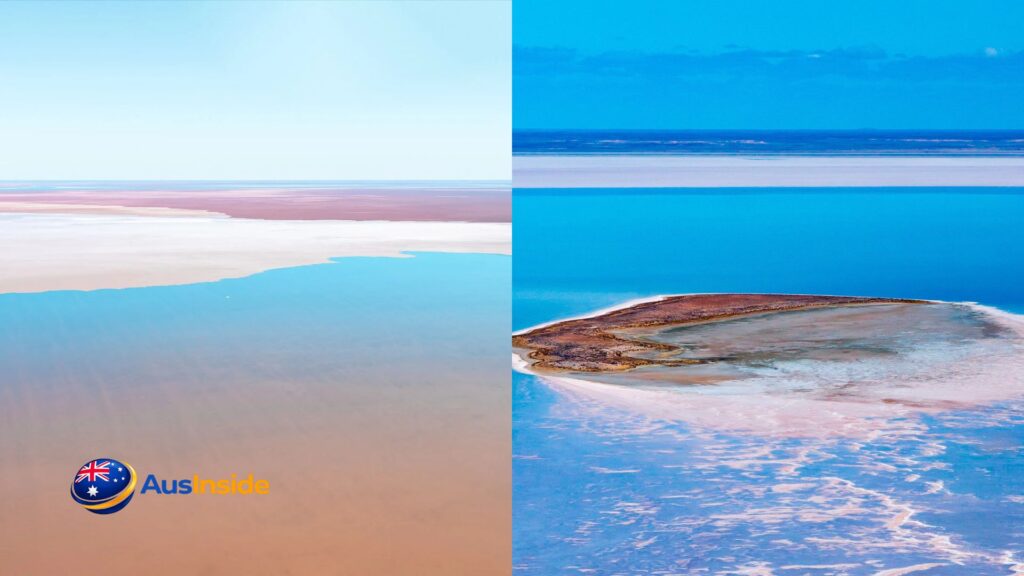
The uniqueness of the park is determined by its dynamic nature, since usually, it has salty lake flats. Nevertheless, once every several years, after floods of the northern Australia regions, the whole lake turns into a giant inland sea alive with life. This amazing feature is the main attraction of this unique park.
That is why if you are planning an outback adventure tour, visiting Kati Thanda-Lake Eyre should be among your main goals. This guide is created to help you explore this wonderful place.
- Overview of Kati Thanda-Lake Eyre National Park
- What Is Kati Thanda-Lake Eyre National Park?
- How to Reach Kati Thanda-Lake Eyre National Park
- Significance of the Park Name
- Unique Landscapes of Kati Thanda-Lake Eyre National Park
- Wildlife of Kati Thanda-Lake Eyre National Park
- Activities to Do in Kati Thanda-Lake Eyre National Park
- Best Time to Visit Kati Thanda-Lake Eyre National Park
- Accessibility Information
- Camping and Accommodation in Kati Thanda-Lake Eyre National Park
- Why Kati Thanda-Lake Eyre National Park Is Significant
- Best Things to Do
- Why Kati Thanda-Lake Eyre Fills With Water
- Tips to Follow When Visiting Kati Thanda-Lake Eyre National Park
- Real-World Travel Scenario
- Destinations Nearby
- Kati Thanda-Lake Eyre National Park – Key Takeaways
- Conclusion
- FAQ
Overview of Kati Thanda-Lake Eyre National Park
| Feature | Details |
| Location | South Australia |
| Main Attraction | Australia’s largest salt lake |
| Traditional Owners | Arabana people |
| Size | Over 1.3 million hectares |
| Best Time to Visit | May to September |
| Notable Features | Salt flats, desert scenery, inland flooding |
| Things to do | Scenic flights, camping, photography, birdwatching |
| Nearest town | Marree |
| Managed By | South Australian Government |
Readers Must Love It: Australia Native Plants
What Is Kati Thanda-Lake Eyre National Park?
Kati Thanda-Lake Eyre national park is the name of the place where Australia’s largest salt lake called Kati Thanda-Lake Eyre is located.
This natural landmark is situated in South Australia in the center of the continent. Being the lowest point of the country, this lake lies about 15 meters below sea level. Under normal conditions, it is dry and filled with salt. Nevertheless, after several years of rainfall, it becomes filled with water.
This interesting phenomenon makes the park a place worth visiting during your outback travels.
How to Reach Kati Thanda-Lake Eyre National Park
By Car
You may use road travel for reaching this national park.
Common routes are:
- Route from Adelaide to Marree
- Oodnadatta Track
- Birdsville Track
You will need to use a car with off-road equipment.
By Plane
Another great alternative to visiting Kati Thanda-Lake Eyre national park is a plane travel to nearby settlements followed by a flight.
There are several companies offering a flight above the lake.
Google Map Location
Significance of the Park Name
As mentioned above, the name Kati Thanda originates from the language of indigenous Arabs who are native inhabitants of this region. Starting from 2012, Lake Eyre officially received its new name of Kati Thanda-Lake Eyre.
History of Kati Thanda-Lake Eyre
Kati Thanda-Lake Eyre officially received its dual name in 2012, recognizing the cultural connection of the Arabana people. The lake remains Australia’s lowest natural point and largest salt lake system.
| Historical Fact | Information |
|---|---|
| Traditional owners | Arabana Aboriginal people |
| Official renaming year | 2012 |
| Location | South Australia outback |
| Lowest point | Around 15 meters below sea level |
| Famous characteristic | Periodic inland flooding events |
Unique Landscapes of Kati Thanda-Lake Eyre National Park
Endless Salt Flats
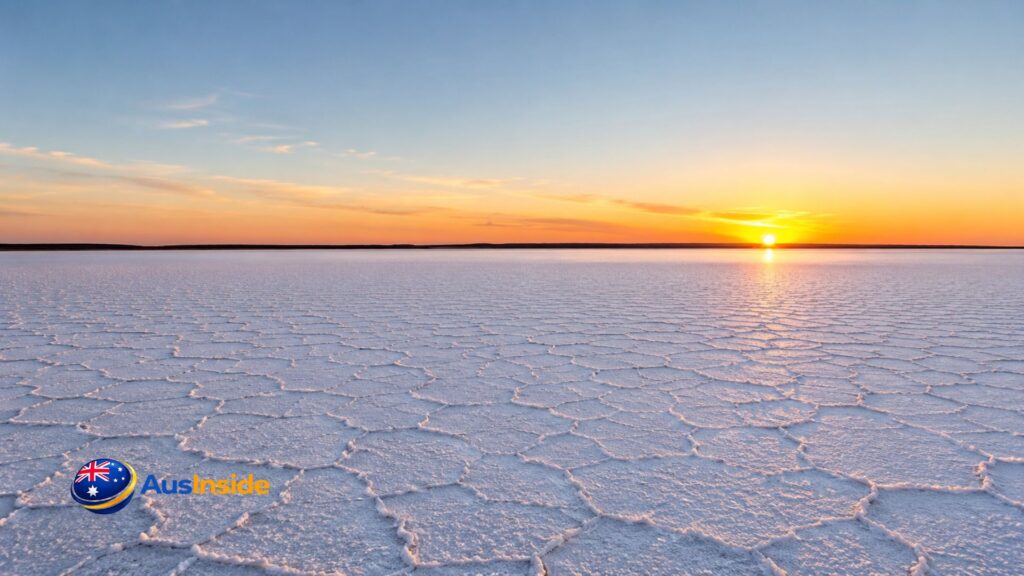
At first glance, everyone is attracted by the landscape of the lake and its impressive white color. At daytime, the landscape reminds a snowy desert.
Sometimes, photographers even use such analogy to create amazing pictures.
Desert Scenery
It is also worth mentioning that this national park belongs to the desert area, so one can observe here:
- Red sand dunes
- Scarce vegetation
- Dry riverbeds
- Plains
- Rough terrains
Nevertheless, despite the aridity of the area, it is distinguished by its uniqueness and beauty.
Inland Flooding
One of the most interesting features of this park is its flooding.
This phenomenon occurs after rainfalls in the north of Australia. During flooding, such phenomena appear:
- Appearing of different kinds of fish
- Migration of birds
- Blossoming of colorful flowers
- Renewal of flora of the desert area
Wildlife of Kati Thanda-Lake Eyre National Park
Despite harsh conditions, the diversity of fauna in this national park is high.
Birds
Every year, millions of birds arrive to the lake and make it their home.
Some examples of the fauna:
- Pelicans
- Black swans
- Silver gulls
- Stilts
- Different species of ducks and migratory birds
It is worth noting that pelicans reproduce here massively.
Other Fauna
Such animals can also be seen here:
- Red kangaroos
- Dingoes
- Emus
- Various reptiles
Activities to Do in Kati Thanda-Lake Eyre National Park
Scenic Flights
- One of the most popular activities in this park is flight above the lake.
- You will be able to admire the unique size of this natural lake.
- Typically, people choose Marree, William Creek, or Coober Pedy as the departure point.
Exploration of Halligan Bay Point Campground
- Another favorite activity is camping near the lake.
- Travelers will need to take camping equipment with them, since conditions are rather poor.
Photography of Beautiful Nature
This national park can be considered paradise for those who love capturing pictures of nature.
Some popular objects for photos:
- Salt crystals on the ground
- Outback desert sunsets
- Water reflection after rains
- Nature and fauna
- Sky at night
Bird Watching
This activity will appeal to those who visit the lake during flooding.
Using a zoom camera, one can easily photograph birds.
Best Time to Visit Kati Thanda-Lake Eyre National Park
Colder Weather
In order to ensure pleasant conditions for a trip, travelers often choose the coldest months, usually from May till September.
Inland Flooding
For witnessing this amazing phenomenon, you will need to check weather conditions.
Summer Weather
It can become extremely hot in summer, reaching up to 45 °C. Thus, it is better to avoid summer months.
| Season | Conditions |
|---|
| Summer | Extremely hot desert temperatures |
| Autumn | Comfortable outback travel conditions |
| Winter | Best season for tourism |
| Spring | Good wildlife viewing opportunities |
Accessibility Information
Travelers will need to consider the following points before a trip:
- Checking weather and road forecasts
- Taking into account the following items:
- Fuel and food supplies
- Water
- Communication devices for emergency situations
- Informing someone of the planned route
Traveling through outback areas may bring some communication problems.
Camping and Accommodation in Kati Thanda-Lake Eyre National Park
Camping within the Park
Except for a campground located at Halligan Bay, there are no other places for spending a night in the park.
If travelers plan to stay in the park for some time, they can book rooms near the park.
Popular Places for Staying
You may find rooms to stay overnight in one of these settlements:
- Marree
- William Creek
- Outback stations
| Accommodation Type | Location |
|---|
| Halligan Bay campground | Inside national park |
| Hotels and motels | Marree |
| Remote lodges | William Creek |
| Outback stations | Surrounding desert region |
Why Kati Thanda-Lake Eyre National Park Is Significant
Environmentally
The significance of the park is determined by its importance for rare outback environments and for protecting rare birds.
Culturally
Indigenous Arabs have special spiritual bonds with the territory.
Touristically
The national park is important for attracting tourists.
Best Things to Do
Visitors can experience scenic landscapes, wildlife, and unique desert environments throughout the national park.
- Take breathtaking scenic flights above lake
- Camp overnight beside Halligan Bay campground
- Photograph stunning salt flat reflections beautifully
- Watch migratory birds during flooding periods
- Explore famous outback driving tracks nearby
- Observe unique desert wildlife throughout region
Why Kati Thanda-Lake Eyre Fills With Water
The lake fills after heavy rainfall across Queensland and northern Australia. Floodwaters travel through desert river systems before reaching the lake basin.
| Flooding Feature | Details |
|---|---|
| Water source | Northern Australian rainfall |
| Main contributing rivers | Cooper Creek and Diamantina River |
| Flood frequency | Every several years |
| Result | Temporary inland sea formation |
| Wildlife impact | Massive bird breeding activity |
Tips to Follow When Visiting Kati Thanda-Lake Eyre National Park
Plan Your Trip Carefully
Before visiting this unique park, travelers should prepare thoroughly for the journey, as follows:
- Fuel
- Spares and tires
- First aid kit
- Emergency supplies of water and food
- Devices for satellite communication
Protect the Environment
In the process of exploring the park, you will have to follow these tips:
- Travel only along the marked roads
- Avoid contact with wildlife
- Do not leave garbage anywhere
Always Check Conditions
Conditions in the outback may change unpredictably.
Travelers will need to check the weather and road forecasts prior to the trip to Kati Thanda-Lake Eyre.
Road Conditions and Safety Tips
Road access can change rapidly because of rainfall and desert weather conditions. Travelers should prepare carefully before entering remote outback regions.
- Carry additional fuel for remote driving
- Check weather forecasts before departure carefully
- Use reliable off-road capable vehicles only
- Bring emergency communication equipment during travel
- Pack enough drinking water for emergencies
- Inform others about planned travel routes
- Avoid traveling alone through isolated regions
What to Pack for Your Trip
Packing properly is essential because services remain limited throughout the outback region surrounding the park.
| Essential Item | Purpose |
|---|---|
| Drinking water | Prevent dehydration |
| First aid kit | Emergency medical situations |
| Spare tires | Remote road punctures |
| GPS device | Navigation assistance |
| Sun protection | Extreme UV exposure |
| Camping supplies | Overnight desert accommodation |
Real-World Travel Scenario
Autumn comes to its end. You drive through South Australia in order to visit the unique lake Eyre. Having learned that the park had been flooded recently, you decide to visit it. You organize your trip in advance and arrive at William Creek where you begin your air travel over the lake.
After taking off from the airfield, you admire a fantastic picture: once dry salt lake has transformed into a giant inland sea surrounded by salt flats. Numerous pelicans fly above the water. After arriving at the lake, you stay overnight in the campground at Halligan Bay and admire a sunset over the desert.
Destinations Nearby
- William Creek – Old outback settlement famous for its flights.
- Oodnadatta Track – Popular route for driving in the outback.
- Coober Pedy – The capital of outback featuring underground dwellings.
Kati Thanda-Lake Eyre National Park – Key Takeaways
| Fact | Details |
| Name | The largest salt lake in Australia |
| Periodic flooding | Turning of the salt lake into a giant inland sea |
| Main activities | Visiting the lake, aerial tours, camping |
| Best time to visit | May to September |
| Value | Environmental, cultural, and tourism |
| Main things to do | Scenic flights, photography, bird watching, camping |
4×4 vehicle is essential for the trip.
Don’t Forget To Read It: Bupa Health Insurance
Conclusion
Kati Thanda-Lake Eyre National Park is undoubtedly among the greatest places that Australia has to offer to visitors from all around the world. This place features an amazing combination of vast salt pans, desert views, rarely occurring floods, and birds to name just a few attractions.
There are various ways of exploring this national park such as flying above it, camping at the site and taking pictures of magnificent views, but one thing is for sure – this is the kind of place which you will never find anywhere else.
If you are thinking about where to go next time you visit Australia, Kati Thanda-Lake Eyre National Park is surely something you might want to consider.
FAQ
What is Kati Thanda-Lake Eyre National Park?
This park is Australia’s largest salt lake which periodically fills with water.
Can I visit this place all year round?
Yes, but it is better to visit the place during winter.
Is Lake Eyre usually flooded?
No, usually the lake is dry. However, this amazing event happens once every few years.
Do I need a 4×4 vehicle to visit the national park?
Yes, because there are some complicated roads which cannot be traveled on ordinary vehicles.
Is aerial travel the only option of visiting Kati Thanda-Lake Eyre?
Not really. It is also possible to drive there.
Is it allowed to camp in the national park?
Yes, there is camping ground available.