

Buying car insurance usually starts with one simple goal: you want protection if something goes wrong. Then you open comparison websites, see ten different insurers offering “great value,” and suddenly everything feels vague. Every policy sounds similar. Every ad promises fast claims. Every insurer claims to care about customers.
That confusion is exactly why so many Australians end up looking at AAMI.
AAMI has been part of the Australian insurance market for decades. It’s familiar, widely advertised, and often positioned as the safe mainstream option for everyday drivers. But familiarity doesn’t automatically mean value. Plenty of people stay with insurers for years without realizing they’re overpaying, underinsured, or carrying policy limitations that only become obvious after an accident.
And that’s the uncomfortable reality about car insurance: the real test starts after the crash, not before it.
AAMI car insurance attracts a broad mix of drivers, families, commuters, younger drivers, retirees, even first-time car owners, largely because it offers flexible policy options and relatively smooth online management. Still, the experience can vary dramatically depending on your car, where you live, your claims history, and the kind of coverage you actually need.
Some drivers swear by AAMI after easy claims experiences. Others become frustrated over repair delays, excess costs, or payout disagreements. Both experiences can be true at the same time.
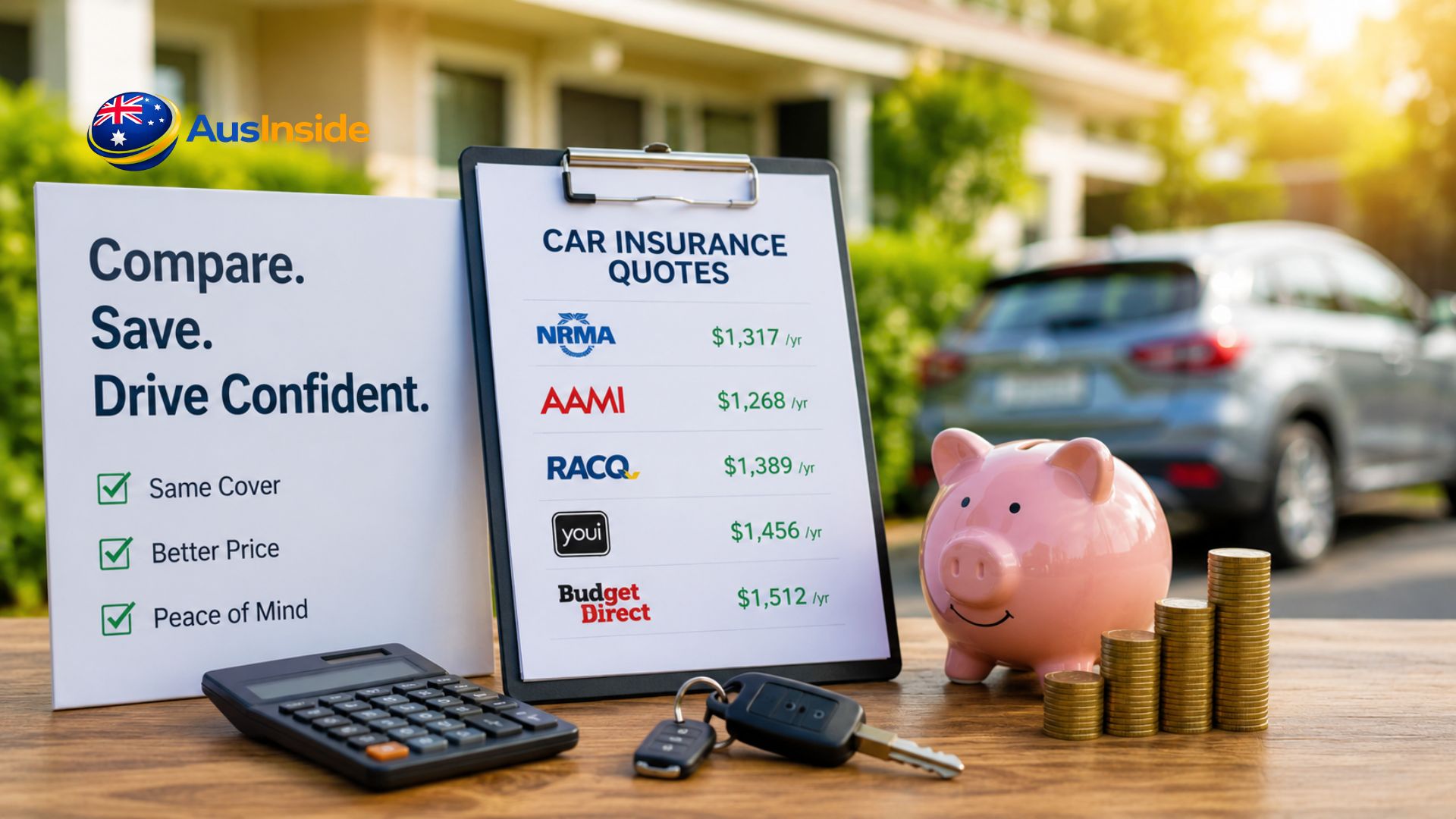
That’s why this review goes deeper than the usual “pros and cons” article. We’re looking at how AAMI policies work in real-world situations, where the insurer performs well, where drivers sometimes get caught out, how it compares to competitors like Budget Direct and NRMA Insurance, and whether it genuinely delivers value for Australian motorists in 2026.
If you’re comparing car insurance right now, there are a few details that matter far more than the premium displayed on the quote screen.
Readers May Love It: How to Pay AAMI Car Insurance
- Quick Overview of AAMI Car Insurance
- Why So Many Australians Choose AAMI
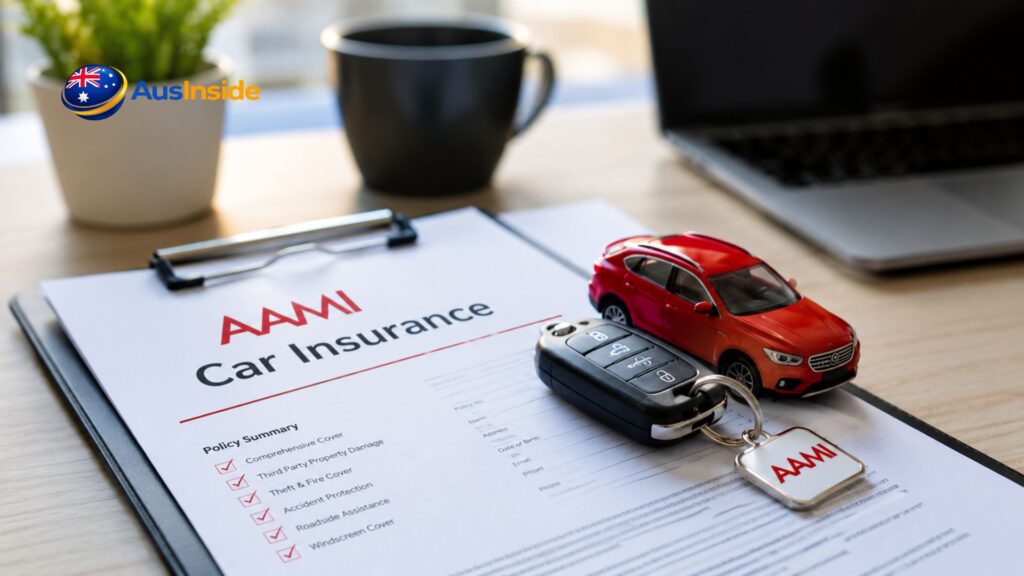
- Types of AAMI Car Insurance Explained
- How to Pay AAMI Car Insurance
- What AAMI Policies Include That Drivers Often Miss
- What Real Customers Usually Like About AAMI
- Where Some Drivers Become Frustrated
- AAMI vs Other Australian Car Insurers
- How Expensive Is AAMI Car Insurance?
- Real-World Claims Scenarios
- Hidden Costs Many Drivers Overlook
- Who Should Probably Avoid AAMI?
- Expert Tips Before Buying AAMI Car Insurance
- Advanced Insight: Why Car Insurance Is Becoming More Expensive
- Key Takeaways
- Final Verdict: Is AAMI Car Insurance Worth It?
- FAQs
Quick Overview of AAMI Car Insurance
| Feature | Details |
| Insurer | AAMI |
| Coverage Types | Comprehensive, Third Party Property, Third Party Fire & Theft |
| Online Claims | Yes |
| Mobile & Digital Access | Strong |
| Choice of Repairer | Limited in some cases |
| Roadside Assistance | Optional |
| Rental Car Cover | Optional or conditional |
| Agreed Value Option | Yes |
| Best For | Everyday drivers seeking convenience |
| Less Ideal For | Modified, luxury, or enthusiast vehicles |
Why So Many Australians Choose AAMI
There’s a psychological side to insurance people rarely talk about.
Most drivers aren’t insurance experts. They’re buying reassurance. They want confidence that if somebody rear-ends them at traffic lights or hail damages their car overnight, they won’t spend weeks arguing with an insurer.
That’s where AAMI’s reputation helps.
The brand has massive recognition across Australia, and for many people, that familiarity creates trust before they even compare policy details. AAMI also simplified much of its digital experience earlier than some competitors, which made policy management feel less frustrating.
For busy drivers, convenience matters more than they expect.
You can usually:
- Manage policies online
- Lodge claims digitally
- Upload accident photos
- Access policy documents quickly
- Update driver information
- Renew without paperwork headaches
That ease-of-use factor is one reason younger drivers and families often lean toward AAMI.
Still, convenience alone doesn’t make a policy good value.
Types of AAMI Car Insurance Explained
Not every driver needs the same level of protection. One of the biggest mistakes people make is choosing coverage emotionally instead of strategically.
Comprehensive Car Insurance
This is AAMI’s highest level of protection.
It generally covers:
- Damage to your own car
- Damage to other vehicles
- Theft
- Fire
- Storm damage
- Accidental damage
- Vandalism
For newer vehicles, financed cars, or expensive SUVs, comprehensive insurance is usually the safest choice.
Modern vehicles are surprisingly expensive to repair now. A low-speed accident that barely dents a bumper can still damage:
- Parking sensors
- Reverse cameras
- Adaptive cruise systems
- Radar technology
Repair bills can climb into thousands quickly.
That’s why many drivers who previously relied on cheaper coverage are moving back toward comprehensive policies.
Third Party Property Damage
This covers damage you cause to somebody else’s vehicle or property but not your own car.
It’s often chosen by:
- Owners of older vehicles
- Budget-conscious drivers
- Low-value car owners
But many Australians underestimate third-party risk.
Hitting a luxury European SUV, a delivery van, or several cars in heavy traffic can create massive financial liability. Even drivers with older cars still need strong third-party protection.
Third Party Fire and Theft
This sits between the two main options.
You won’t receive collision coverage for your own vehicle, but you may still receive protection if the car is:
- Stolen
- Damaged by fire
For mid-value vehicles, this can sometimes offer a sensible balance between affordability and protection.
You May Like It: Contents Insurance for Renters
How to Pay AAMI Car Insurance
- Pay annually or monthly plan choice
- Pay online via AAMI website
- Use AAMI mobile app payment
- Pay by credit or debit card
- Set up direct debit instalments
- Pay via BPAY using biller code
- Call AAMI and pay by phone
What AAMI Policies Include That Drivers Often Miss
This is where insurance comparisons become more useful.
Many people compare only premiums and completely ignore policy structure.
Online Claim Tracking
AAMI’s digital claims process is one of its stronger features. Drivers can often track progress online rather than relying entirely on phone updates.
That may sound minor until you’re waiting for repairs after an accident.
Lifetime Repair Guarantee
Repairs completed through approved repairers may come with workmanship guarantees while you own the car.
That can provide reassurance for drivers worried about repair quality after accidents.
New Car Replacement
Eligible new vehicles may qualify for replacement rather than repair after a major total-loss event, depending on policy terms and ownership duration.
This matters more than people realize because depreciation hits new cars quickly.
Emergency Repairs & Towing
Many drivers don’t think about towing until they’re stranded on a roadside after an accident.
Policies often include towing support after covered incidents, though exact conditions matter.
What Real Customers Usually Like About AAMI
After reviewing common customer experiences across Australian insurance discussions, several patterns appear repeatedly.
Drivers often praise:
- Straightforward online management
- Fast setup process
- Easy policy renewals
- Smooth claims for minor accidents
- User-friendly mobile access
- Familiar customer support structure
For simple claims, many customers report relatively hassle-free experiences.
That’s important because most insurance claims are actually routine:
- Parking accidents
- Minor collisions
- Windscreen damage
- Storm-related repairs
AAMI generally performs better in straightforward situations than highly complex disputes.
Where Some Drivers Become Frustrated
No insurer escapes criticism, especially at AAMI’s scale.
The complaints that appear most often involve:
- Repair delays during catastrophe periods
- Disagreements over market value payouts
- Premium increases after claims
- Difficulty reaching support during peak events
- Limited flexibility with repairer choice
These frustrations often spike after:
- Hailstorms
- Flood events
- Large-scale weather disasters
When thousands of claims hit simultaneously, repair timelines across Australia can slow dramatically.
That isn’t unique to AAMI, but it’s still something drivers should realistically expect during major events.
You May Love It: Bupa Health Insurance
AAMI vs Other Australian Car Insurers
This is the section many insurance articles skip entirely.
The truth is most people don’t compare AAMI in isolation. They compare it against competitors.
| Insurer | Best Known For | Potential Weakness |
| AAMI | Convenience & mainstream coverage | Less ideal for enthusiast drivers |
| Budget Direct | Lower premiums | Mixed claims reputation |
| NRMA Insurance | Strong roadside ecosystem | Can be expensive |
| Allianz | International reputation | Higher pricing in some cases |
| Youi | Personalized pricing | Quotes vary heavily |
Where AAMI Usually Wins
AAMI tends to perform well for:
- Average suburban drivers
- Families
- Multi-policy households
- Drivers wanting easy digital access
Where Competitors Sometimes Win
Some competitors may outperform AAMI for:
- High-performance cars
- Specialist imports
- Modified vehicles
- Ultra-budget pricing
- Flexible repairer options
The “best” insurer depends heavily on your actual risk profile.
How Expensive Is AAMI Car Insurance?
This is one of the most searched questions online — and for good reason.
Insurance pricing varies massively based on:
- Age
- Location
- Driving history
- Vehicle type
- Claim history
- Parking situation
- Annual kilometres
Still, realistic estimates help.
Estimated Premium Ranges
| Driver Profile | Approximate Annual Premium |
| 22-year-old city driver | High |
| 35-year-old suburban driver | Moderate |
| Experienced regional driver | Lower |
| Luxury SUV owner | Higher |
| Driver with recent claims | Higher |
Young drivers in Sydney, Melbourne, or Brisbane often experience particularly expensive premiums across almost all insurers, including AAMI.
Meanwhile, experienced drivers with clean records may find AAMI relatively competitive.
Read It: Apia Car Insurance
Real-World Claims Scenarios
This is where insurance becomes real instead of theoretical.
Scenario 1: Shopping Centre Accident
You return to your parked car and find bumper damage with no note left behind.
Drivers with comprehensive insurance generally have a far smoother process here than those relying only on third-party coverage.
Without comprehensive cover, you may end up paying repair costs personally unless the responsible driver is identified.
Scenario 2: Severe Hailstorm Damage
Large hailstorms can trigger thousands of simultaneous claims across Australia.
Even strong insurers struggle with repair capacity during these periods.
Drivers sometimes become frustrated, but the issue often reflects nationwide repair bottlenecks rather than a single insurer failing.
Scenario 3: Write-Off Dispute
A driver expects their car to be worth $28,000 but receives a lower market-value payout after a total loss.
This is one reason agreed-value policies matter.
Many people ignore valuation choices during signup, then regret it after serious accidents.
Hidden Costs Many Drivers Overlook
Insurance frustration often starts with assumptions.
Excess Structures
Drivers focus heavily on monthly premiums and ignore excess amounts.
But excesses can stack:
- Standard excess
- Young driver excess
- Inexperienced driver excess
A cheap policy can suddenly become very expensive during a claim.
Optional Extras Add Up Quickly
Features like:
- Hire car cover
- Windscreen protection
- Roadside assistance
can raise premiums noticeably.
Some drivers accidentally build expensive policies without realizing it.
Who Should Probably Avoid AAMI?
This section matters because honest limitations build trust.
AAMI may not suit:
- Highly modified vehicles
- Rare imports
- Performance car enthusiasts
- Track-day drivers
- Drivers wanting unrestricted repairer choice
- People seeking ultra-specialized coverage
Mainstream insurers work best for mainstream needs.
If your car situation is unusual, specialist insurers may provide better protection.
Expert Tips Before Buying AAMI Car Insurance
Compare the Product Disclosure Statement
Most drivers never read it.
Then they’re shocked later by:
- exclusions
- claim limits
- repair conditions
- excess structures
The PDS matters far more than advertisements.
Don’t Automatically Renew Every Year
- Loyalty doesn’t always save money.
- Many Australians overpay simply because they never re-quote their policy.
- Even if you like AAMI, compare prices periodically.
Take Photos of Your Car Before Problems Happen
This simple habit helps during:
- condition disputes
- modification claims
- accident disagreements
You hope you’ll never need the evidence — until suddenly you do.
Advanced Insight: Why Car Insurance Is Becoming More Expensive
This trend affects nearly every insurer in Australia.
Repair costs are climbing because modern vehicles contain:
- cameras
- sensors
- driver-assistance systems
- expensive electronics
Climate-related events are also increasing pressure on insurers.
Floods, storms, and hail damage create enormous claim volumes, especially in high-risk regions.
Many drivers blame insurers for rising premiums without realizing how dramatically repair economics have changed.
Key Takeaways
- AAMI remains one of Australia’s strongest mainstream insurers for everyday drivers.
- Its biggest strengths are convenience, accessibility, and digital usability.
- Comprehensive cover is increasingly valuable due to rising repair costs.
- Claims experiences are usually smoother for straightforward incidents than complex disputes.
- Drivers should pay close attention to excesses, valuation methods, and optional extras.
- AAMI works best for mainstream vehicle owners rather than specialist enthusiasts.
- Comparing insurers yearly can save substantial money over time.
Don’t Forget To Read It: AAMI Car Insurance Review
Final Verdict: Is AAMI Car Insurance Worth It?
For many Australians, yes — especially if you want a recognizable insurer with relatively easy policy management and broad everyday coverage.
But AAMI isn’t automatically the best choice for everyone.
If you own a modified performance vehicle, prioritize repair-shop freedom, or want highly specialized coverage, you may find stronger alternatives elsewhere. On the other hand, if your priority is practical protection, digital convenience, and mainstream reliability, AAMI remains a very competitive option in 2026.
The smartest approach isn’t choosing the cheapest insurer.
It’s choosing the insurer whose policy structure actually matches your real risks.
Before buying, compare:
- excess levels
- agreed vs market value
- repair conditions
- optional extras
- claim handling reputation
That extra effort can save you far more stress than the premium difference itself ever will.
FAQs
Is AAMI car insurance good after an accident?
For straightforward claims, many drivers report smooth experiences. More complex situations — especially during major weather events — can sometimes involve delays or disputes.
Does AAMI increase premiums after claims?
Like many insurers, premiums may increase after claims depending on fault, claim history, location, and overall risk assessment.
Can you choose your own repairer with AAMI?
Repair options can depend on your policy terms and location. Some claims are handled through approved repair networks.
Is AAMI cheaper than NRMA?
Sometimes, but pricing depends heavily on your driver profile, vehicle, location, and claims history. One insurer may be cheaper for one driver and significantly more expensive for another.
Is agreed value worth paying extra for?
For many drivers, yes. Agreed value offers more certainty during total-loss claims, especially for newer vehicles or fluctuating used-car markets.
Does AAMI cover hailstorm damage?
Comprehensive policies generally include hail and storm damage coverage, though repair delays may occur during widespread weather events.