
There’s a specific kind of beach that exists only in a handful of places along Australia’s east coast. Not the kind that makes the tourist brochures because someone paid for the placement. The kind that locals reluctantly tell you about, half-hoping you’ll decide it’s too far out of the way. Pippi Beach Yamba, New South Wales, is exactly that kind of place.
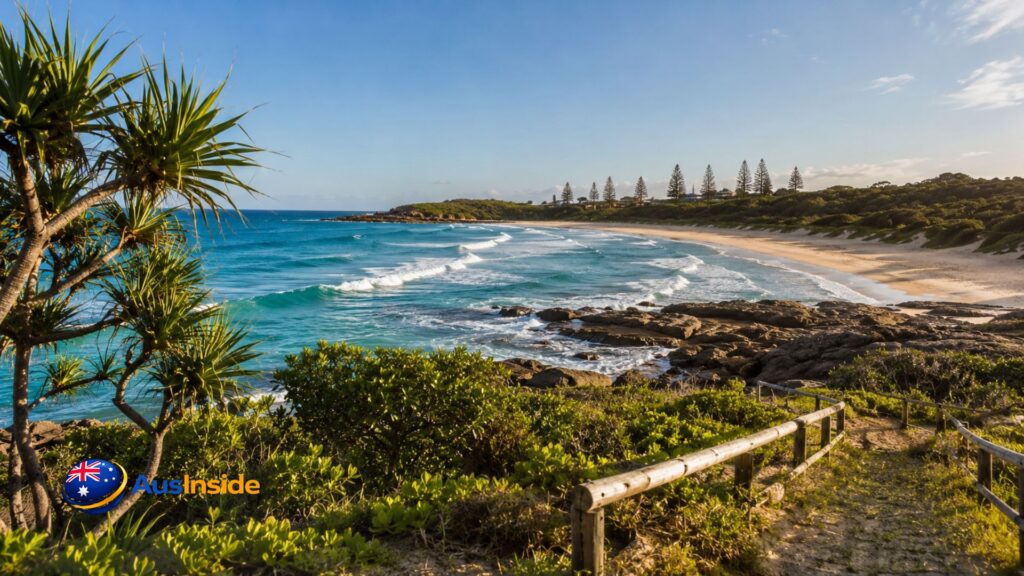
It doesn’t announce itself. You park near Dolphin Park, push through a gap in the coastal scrub, and suddenly there it is: a sweeping arc of golden-white sand running as far as you can see, the Pacific doing its endless thing, and almost nobody else around. That first view catches people off-guard every single time.
But here’s what separates Pippi from a dozen other “hidden gem” beaches written up by content farms and tour operators: it has genuine layers. The same beach that delivers a meditative morning walk at sunrise can turn serious and rip-heavy by afternoon. The wildlife encounters aren’t a marketing angle — dolphins genuinely cruise the shore most mornings, and during whale season you can watch humpbacks migrate from the sand itself. And the name carries a history most visitors never hear, tied to an ecosystem that was partially destroyed before most of us were born.
This guide covers all of it. Not the surface-level version. The real one.
- Quick Overview
- Where the Name Actually Comes From
- The Lay of the Land: How Pippi Beach Actually Works
- The Surf: An Honest Breakdown
- Swimming: What Nobody Tells You
- The Walk: What Pippi Is Really Famous For
- Wildlife: The Real Drawcard Nobody Properly Explains
- Fishing: The Locals' Secret
- Pippi vs. Every Other Yamba Beach
- When to Visit and What to Expect
- Practical Information: What You Actually Need to Know
- Things Most Visitors Get Wrong
- Frequently Asked Questions
- Final Thoughts
Quick Overview
| Detail | Information |
| Location | Southern exposed side of Yamba’s headland, northern NSW |
| Nearest town | Yamba (5 min walk to town centre) |
| Beach type | Open ocean surf beach with beach and point breaks |
| Best surf conditions | East-southeast swell, west-northwest offshore wind |
| Peak surf month | July (clean waves around 43% of the time) |
| Patrol | Northern end only, during school holidays and summer season |
| Dog-friendly | Yes — off-leash toward Flat Rock at the southern end |
| Wildlife | Resident dolphins daily; humpback & southern right whales May–October |
| Annual event | Pippi Beach Surf Classic (January) |
| Facilities | Picnic tables, one toilet block, parking at Dolphin Park |
| Entry | Free |
| Water temperature | 18–26°C depending on season |
Where the Name Actually Comes From
Wade into the shallows at low tide on a quiet morning and look down at the wet sand as a wave recedes. If you know what you’re looking for, you might spot a small, smooth oval shell half-buried near the surface. That’s a pipis, a bivalve shellfish native to Australian sandy beaches that was once so plentiful along this stretch of coast it gave the beach its name.
The history behind this is more sobering than most guides let on. Sand mining operations and decades of overharvesting during the mid-twentieth century stripped the beach of most of its shellfish. What was once a beach floor thick with pippis became largely bare. They haven’t recovered to anything like their original numbers, and probably won’t without active management. The odd shell still turns up at low tide, but the days of picking them up by the handful are long gone.
It’s worth knowing this before you arrive, especially if the name makes you expect otherwise. The beach outlasted the creature that named it, which is its own quiet kind of statement about what happens when a coastal environment gets pushed too hard too fast.
The Lay of the Land: How Pippi Beach Actually Works
Most beaches have one personality. Pippi has three, depending on where you are on it.
The Northern End: Near Yamba Point and the Headland
This is where the action is. The northern section sits closest to the rocky Yamba Point headland, which creates natural shelter and gives the waves more shape. Surf here tends to produce cleaner lefts and rights, particularly on mid-sized northeast pulses that wrap around the rocks and push into the beach at a good angle. This is also the only section that gets patrolled by surf lifesavers, and it happens to have the best rock pools for exploring at low tide.
The Middle Stretch: Open Ocean Exposure
The broad mid-section of the beach is where Pippi’s exposure to southern swells becomes most obvious. On a calm day it’s inviting and photogenic. On a day when a proper southerly swell has built overnight, rips can form quickly and the water becomes unpredictable. Intermediate surfers tend to work this section. Casual swimmers should be cautious and keep a close eye on conditions.
The Southern End: Toward Flat Rock
This is local territory. The southern stretch running toward Flat Rock is quieter, less visited by tourists, and designated off-leash for dogs, which is why you’ll find Yamba residents here early every morning with their dogs in tow. Picnic tables are concentrated down here. The pace is slower. If you want the beach without anyone performing beach for an audience, walk south.
Google Map Location View
The Surf: An Honest Breakdown
Pippi’s surf reputation sits in an interesting middle ground. It’s not Angourie, which sits a short distance to the south and is widely considered one of the finest point breaks in Australia. But it’s reliably good, and on the right day it can be excellent.
What Determines Quality Here
According to detailed surf analysis of the break, the best conditions at Pippi occur when an east-southeast groundswell combines with a west-northwest offshore wind. The beach handles a mix of groundswells and windswells, though groundswells produce better shape. July is statistically the best month, with clean surfable waves roughly 43% of the time, though the winter months as a whole tend to produce more reliable sessions than summer.
North winds create the ideal offshore effect. With a tidy swell running and wind from the north or west, Pippi turns on what regulars describe as “turquoise charm” — a memorable phrase from people who know the beach well. That combination doesn’t happen every day, but when it does, locals say there’s nowhere else they’d rather be.
Which Surfers Is Pippi Actually Right For?
| Experience Level | Verdict |
| Beginner | Not recommended. Better suited to Main Beach with its gentler peaks and surf school presence |
| Intermediate | Well-suited, especially the northern end near the headland on moderate swell |
| Advanced | Works well on bigger swells, though Angourie is the preferred option nearby |
| Longboarder | Can work well on smaller, slower NE swells near the point |
The beach break produces both left and right-hand waves depending on where sandbanks have formed, which shifts over time. Checking a current surf report (Swellnet and Surfline both cover Pippi specifically) before heading out takes two minutes and saves a wasted trip.
Swimming: What Nobody Tells You
This is the section that genuinely matters for anyone visiting without a surfboard.
Pippi Beach is beautiful. It is also an exposed ocean beach with real surf energy. The two things are not in conflict, but they do mean you need to know what you’re looking at before jumping in.
The Rip Problem
Multiple visitor accounts and surf guides flag the same issue: rips at Pippi are real and they form regularly, particularly in the middle section of the beach. Rips are channels of water moving away from the beach, and they’re responsible for most beach rescues in Australia. The way to identify one: look for areas where the water appears darker, choppier, or is visibly moving sideways or outward. Avoid those zones.
When lifeguards are present (summer season, school holidays, northern end only), swim between the flags. Always. Outside those times, the beach is unpatrolled — a fact that surprises people who assume a popular beach means a watched beach.
Where Families Are Better Served
Families with young children or anyone who prefers calm, safe, predictable swimming are genuinely better placed at:
- Main Beach Yamba: Has a saltwater ocean pool, patrolled more consistently, close to cafes and facilities
- Whiting Beach: A river beach with no surf at all, genuinely flat and calm
- The northern corner of Pippi itself: When lifeguards are present, the sheltered corner near Yamba Point produces small, gentle waves that work for children
That’s not a criticism of Pippi. It’s just an honest reading of what the beach is.
The Walk: What Pippi Is Really Famous For
Ask locals what Pippi Beach is best for and most of them will say the walk before they say anything else.
The beach stretches roughly two kilometres of continuous flat white sand from Dolphin Park in the north toward Barri Point and beyond. It’s the kind of surface that makes walking feel effortless — hard-packed near the waterline at low tide, soft and powdery above the wave line. The slope is gentle. There’s no rocky scramble, no sudden drop-off.
The natural walk, done properly, goes from Dolphin Park south all the way toward Angourie, following the coastline through Pippi Beach and across tidal rock platforms to Barri Beach. It’s approximately four to five kilometres one way. Some sections involve hopping across rocks between beach stretches, so checking the tide before you go is non-negotiable — come at high tide and you’re stuck waiting.
What makes the walk genuinely special: no two mornings are the same. Dolphins some days. Just waves and wind on others. Interesting stones and driftwood deposited overnight. Rock pools revealing different creatures at different tides. The light in the early morning coming off the water is the kind of thing that sounds like a cliché until you actually experience it.
Wildlife: The Real Drawcard Nobody Properly Explains
Dolphins
A resident pod of dolphins frequents this section of coast with a consistency that surprises visitors. The key word is resident — these aren’t occasional passers-through. They’re here regularly, and they tend to show up when you’re not specifically looking for them: surfing alongside waves, working the shallows parallel to the shore, visible from the beach without any equipment needed.
Early morning and dusk are the best times. Walk slowly rather than marching with purpose. Binoculars help, but people regularly spot dolphins from the sand with the naked eye when conditions are clear and the sea is relatively calm.
Whale Migration: May to October
Between late May and October each year, the ocean off Pippi Beach becomes a migration corridor. Humpback whales travelling north from their Antarctic feeding grounds to warmer breeding waters pass close enough to be clearly visible from the beach itself. During peak migration, people staying in beachfront accommodation have reported watching whales directly from apartment balconies.
Whale species confirmed in the area:
- Humpback whales (most commonly sighted)
- Southern right whales (regular sightings)
- Minke whales (occasional)
- False killer whales (rare, but reported)
Best viewing conditions: early morning or late afternoon, when low sun angle reduces ocean glare. Lovers Point, accessible from Pippi’s northern end, provides a slightly elevated perspective for land-based viewing.
This is the aspect of Pippi Beach most guides mention briefly and move on from. It deserves more. Watching a humpback breach two hundred metres offshore from a beach you walked to for free, with almost nobody else around, is the kind of experience that reorients what you think a beach visit can be.
One Warning: Bluebottles
Bluebottle jellyfish wash up at Pippi periodically, typically following easterly or northerly wind events. Check the waterline before entering the water. A bluebottle sting is painful and can ruin the afternoon quickly. When they’re present, they’re usually obvious — bright blue, tentacles trailing in the shallows. If you see them, either wait for conditions to change or choose a different beach that day.
Fishing: The Locals’ Secret
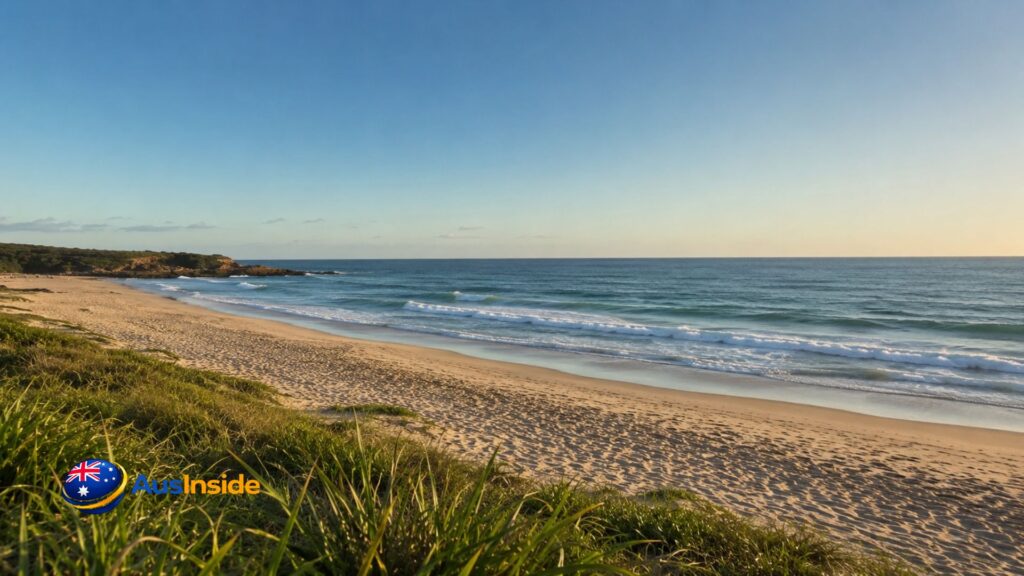
Pippi has a quiet reputation among anglers that rarely makes the tourist literature. The two main fishing spots are the rock shelf near Yamba Point at the northern end and the Flat Rock area at the south, both providing access to deeper water off the rocks.
Common species caught:
- Snapper
- Flathead
- Whiting
- Bream
- Tailor
Beach fishing for tailor can be productive around dawn and dusk when schools are running. For specific current information on what’s biting and where, Yamba’s local bait and tackle shops are worth a five-minute stop. They know the breaks and conditions better than any website.
Pippi vs. Every Other Yamba Beach
This comparison is genuinely useful because Yamba has more good beaches per square kilometre than almost anywhere on the NSW coast, and choosing the wrong one for your group is a real possibility.
| Beach | Best For | Patrol | Dogs | Vibe |
| Pippi Beach | Surfing, walking, wildlife, fishing | Summer/holidays (north end) | Yes (south end) | Raw, open, local |
| Main Beach Yamba | Families, casual swimming, learners | Consistent summer patrol | No | Easy, relaxed, accessible |
| Turners Beach | Surf + swimming mix, rock pools | Summer | No | Scenic, near lighthouse |
| Convent Beach | Solitude, meditation, sunrise | No | No | Tiny, hidden, intimate |
| Whiting Beach | Small children, calm water | No | No | River beach, completely flat |
| Angourie Point | Advanced and experienced surfers | No | No | Serious, world-class point break |
Regular visitors to Yamba tend to rotate depending on conditions, mood, and who they’re with. Pippi for the morning walk and the surf. Main Beach for a safe afternoon swim with kids. Turners for the rock pools. Convent when you want actual quiet. They each serve a different purpose and none of them is wasted.
When to Visit and What to Expect
Summer (December to February)
Warmest water, patrolled northern section, most crowded, smaller surf on average. Best for families and swimming.
Autumn (March to April)
Crowds thin significantly, water stays warm, surf starts to build. Often considered the sweet spot — good conditions across the board with room to breathe.
Winter (May to August)
Prime whale watching season, best surf of the year, cool but not cold. Water temperature sits around 18–20°C, manageable with a light wetsuit. The beach is genuinely quiet. This is when regulars go.
Spring (September to November)
Shoulder season with increasing warmth, tail end of whale season into October, good for most activities. Water warming back up toward summer temperatures.
The conventional wisdom says visit in summer. The experienced wisdom says winter offers something different: better surf, whales, emptier sand, and a beach that shows you its real self rather than its tourist-season performance.
Practical Information: What You Actually Need to Know
Getting There
- On foot from town: 5–10 minute walk through Dolphin Park. This is the most enjoyable approach.
- Driving: Parking available near Dolphin Park. Arrives early in peak summer season — mid-morning onward can mean a long hunt for a spot.
- No shuttle or direct public transport drops right at the beach.
Facilities
- One public toilet block (noted as limited — plan accordingly)
- Picnic tables (concentrated toward the southern end)
- Dolphin Park: grassy, shaded area behind the beach with trees — good for picnics and letting children run
- No food vendors, no coffee, no equipment hire on-site
What to Bring
- Everything you want to eat or drink (closest options are a 5-10 min walk into town)
- Sunscreen — the beach is fully exposed with no shade on the sand
- Binoculars for wildlife watching
- A tide chart app if you’re planning the walk to Angourie
- Wetsuit or spring suit if surfing between May and September
Nearby When You’re Done
- Yamba town centre: 5 min walk, good range of cafes and restaurants
- Pacific Hotel: 10 min walk, panoramic ocean views, popular post-beach stop
- Yamba Farmers Market: Wednesday mornings 7am–12pm
- Yamba River Market: Last Sunday of each month
- Angourie Blue and Green Pools: 10 min drive south — former quarry sites that filled with freshwater spring water, now stunning natural swimming holes
Things Most Visitors Get Wrong
Assuming it’s always safe to swim. The beach is beautiful in all conditions. It’s not always safe to swim in all conditions. These are different things.
Expecting lifeguards outside school holidays. The patrol is seasonal and limited to the northern end. Outside that window: unpatrolled ocean. Know the difference.
Missing the dolphins because they’re looking at their phone. The dolphins don’t announce themselves. Walk slowly, look out to sea periodically, and you’ll see them. Rush past staring at a screen and you won’t.
Parking too late in January. The carpark near Dolphin Park fills early on summer weekends and school holidays. After 9am on a sunny Saturday in January, you may be walking further than you planned.
Walking the Angourie trail at high tide. The rocks between beach sections flood at high tide. Check a tide app before you go. This isn’t a minor inconvenience — at high tide, some sections are genuinely impassable.
Frequently Asked Questions
Is Pippi Beach safe for families?
It depends on the section and the time of year. The northern corner near Yamba Point, when patrolled during school holidays and summer season, is manageable for confident children and supervised swimming. For families with very young children or cautious swimmers, Main Beach Yamba is a better primary choice: it has a saltwater ocean pool and more consistent patrol. Pippi is best for families who want the walk, the space, and the wildlife rather than a primary swimming destination.
Can you see dolphins without a tour?
Yes, regularly. A resident pod moves along this section of coast with notable frequency. Early morning and dusk walks along the beach produce the best sightings. No tour, no boat, no cost. The dolphins surf alongside actual surfers sometimes, which is as good as it sounds.
Where exactly is the off-leash dog area?
The southern section toward Flat Rock is the designated off-leash zone. The northern section near Dolphin Park is not off-leash. This distinction matters — rangers do patrol, particularly in peak season.
What’s the Pippi Beach Surf Classic?
It’s an annual surf competition held at Pippi Beach in January, run through the local surf community. It draws regional competitive surfers and is the main organised event associated with the beach. If you’re visiting in January and want to watch good surfing in a relaxed atmosphere, it’s worth timing your visit around it.
Is there food or coffee near Pippi Beach?
Not at the beach itself. Everything is a 5-10 minute walk into Yamba town centre, which has a solid range of cafes, bakeries and restaurants. Bring provisions if you’re planning to stay for most of the day.
How does Pippi compare to Angourie for surfing?
Angourie Point is a different category of wave: a right-hand point break considered one of the best in Australia, producing long, walled rides over a rocky reef. It’s best suited to advanced and experienced surfers who are comfortable in a skilled local lineup. Pippi’s beach break is less demanding, more accessible to intermediates, and less competitive. For most people surfing Yamba, Pippi is where they’ll actually spend most of their water time.
What months are best for whale watching?
Late May through October. Peak migration northward happens around June–July; the return south migration runs September–October. Humpbacks are the most commonly sighted species. Land-based viewing from the beach or nearby Lovers Point is genuinely viable without a tour.
Final Thoughts
Pippi Beach rewards people who pay attention. The surfer who checks the forecast and arrives at dawn on a clean northwest morning. The walker who goes south toward Flat Rock when everyone else is clustered at the northern end. The person who stops walking and looks out to sea at dusk, long enough to spot the dorsal fins.
It’s not a beach that tries to impress you. It doesn’t need to. The ocean takes care of that on its own.
Go early. Walk further than you think you need to. Check conditions before you swim. And if you visit between May and October, bring something to stand on and look out to sea properly — because the whale migration off this beach is one of those experiences that stays with you long after the sunburn fades.